“After dinner, while dancing a minuet, a beautiful woman pulled me aside and said, ‘Quick, take me to your room, because a funny idea has occurred to me—we’ll laugh together.’”
We are in the middle of winter. Christmas is over, New Year’s celebrations have ended. These are the dull, grey days when we wait for spring, do a lot of lounging about, and move slowly. So let’s get up from where we’re sitting and, with a little frivolity and a little gossip, follow Giacomo Casanova to talk about theatre, literature, and the rules of etiquette.
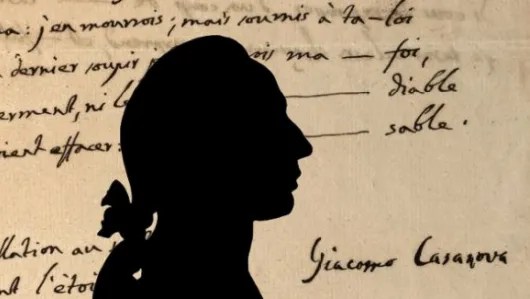
As a Turk not particularly well-versed in European history, I didn’t even know that Casanova was actually a Venetian womanizer. Well… womanizing does suit Italians. It turns out that the word “Casanova,” which everyone uses so casually, comes from Giacomo Girolamo Casanova—born in the Republic of Venice in 1725, a writer who traveled extensively across Europe and moved in and out of many different social circles.
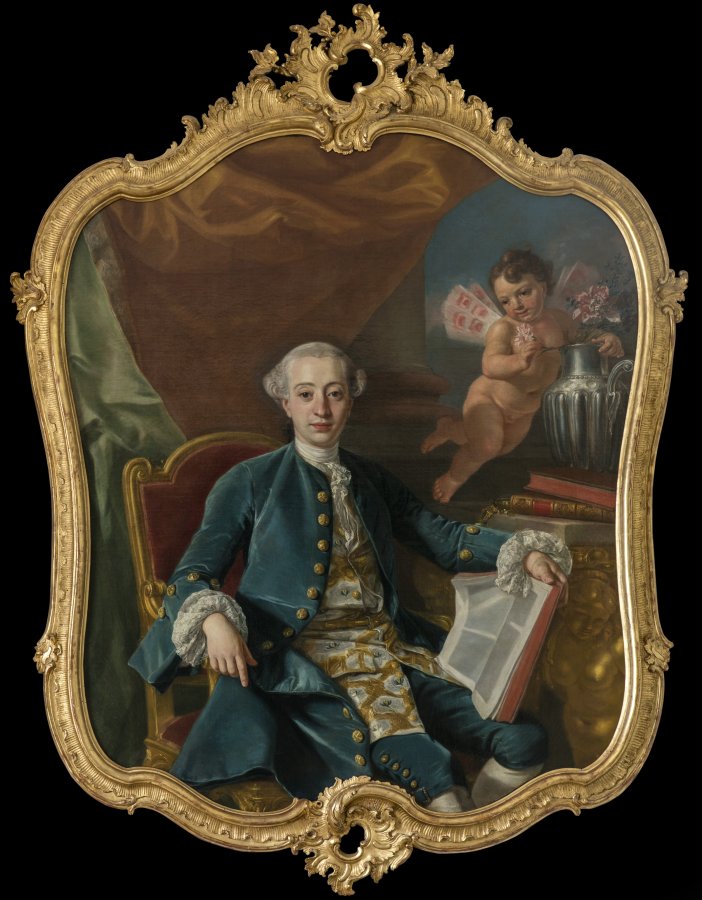
Adventurer, traveler, gambler, seducer, tall, cool-headed… These are some of the attributes ascribed to Giacomo Casanova at the exhibition Casanova à Genève – Un libertin dans la cité de Calvin, currently on view at the Musée d’art et d’histoire (MAH) in Geneva, where I first encountered him. While introducing Casanova, the exhibition invites us to rethink this legendary figure not merely as a “womanizer,” but as an eighteenth-century character constantly in conflict with morality, religion, power, and individual freedom.
Who is this Casanova?
“Among the subjects he pretends to know, though he knows nothing about them, are the rules of dance, the French language, taste, the ways of the world, and etiquette. He is like a fountain of knowledge, but he quotes Horace and Homer so excessively that in the end you feel nauseated.
He is sensitive and refined, but at the slightest fault he becomes cruel, aggressive, and repellent. He is proud because he is nothing and possesses nothing. Yet his astonishing imagination, the vitality of his country, his travels, and the countless professions he has undertaken come together to make him a rare man—one whose acquaintance is priceless and who deserves the deep friendship of the few who earn his favor.”
Prince de Ligne, Austrian Empire — Casanova’s friend and patron
Born in Venice in 1725 into a family connected to the theatre world, Giacomo Girolamo Casanova was not born into the aristocracy, yet he moved among aristocratic circles throughout his life. He intended to become a clergyman, then gave up; tried his hand at soldiering, failed; and wandered across Europe as a gambler, diplomat, writer, traveler—sometimes a con artist, sometimes a philosopher. He introduced himself under various invented titles such as Baron, Count Farussi (his mother’s maiden name), or Chevalier de Seingalt.
His troubles came frequently: sometimes from lying, sometimes from ensnaring young women, sometimes from gambling, and sometimes from pretending to possess alchemical, Kabbalistic, or magical secret knowledge in order to extract money from aristocratic patrons. He was expelled from Venice twice, tried by the Inquisition, and thrown into dungeons. Yet nothing managed to extinguish the brilliance of Casanova’s life.
“I have always been so passionately devoted to truth that, as a way of introducing it to minds unaware of its charm, I have often resorted to lying.”
Casanova’sHistoire de ma vie (The Story of My Life), the book that made the famous seducer known as a writer and recounts his life story, became highly sensational—not only because it sheds light on aristocratic Europe of the eighteenth century, but also because it recounts his erotic adventures in unfiltered and excessively detailed (!) fashion. Published by his friends after Casanova’s death, we do not know whether the author himself intended it to be published, since the work was both extremely long and obsessively detailed in everyday matters. Eventually, in 1821, the text was heavily abridged and censored before publication; nevertheless, the Vatican placed it on the Index of Forbidden Books. Some editions of the book were even kept in a special cabinet at the French National Library toward the end of the nineteenth century, known as L’Enfer (“Hell”), reserved for “naughty books”!
The exhibition at MAH invites visitors to look at Casanova and his book from a different perspective—one well suited to delightful gossip. The Story of My Life is not merely an autobiography filled with erotic detail; it is a unique document that maps the moral landscape of eighteenth-century Europe while also describing the customs and norms of its social life. In his autobiography, Casanova not only recounts his own life, but also his encounters with popes, cardinals, and rulers, as well as major intellectual and artistic figures such as Voltaire, Goethe, and Mozart. He visits Voltaire frequently and directs harsh criticism at Jean-Jacques Rousseau.
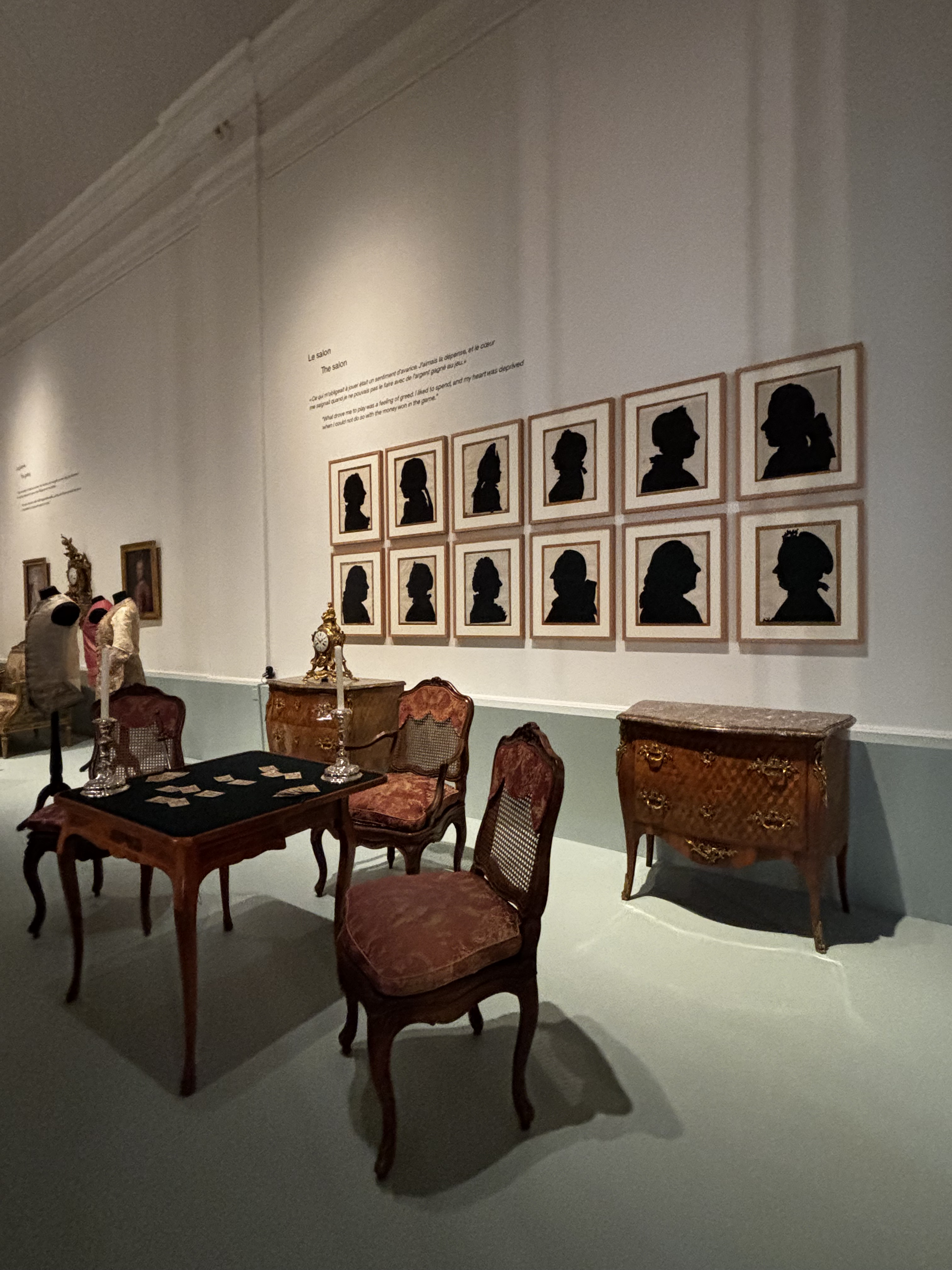
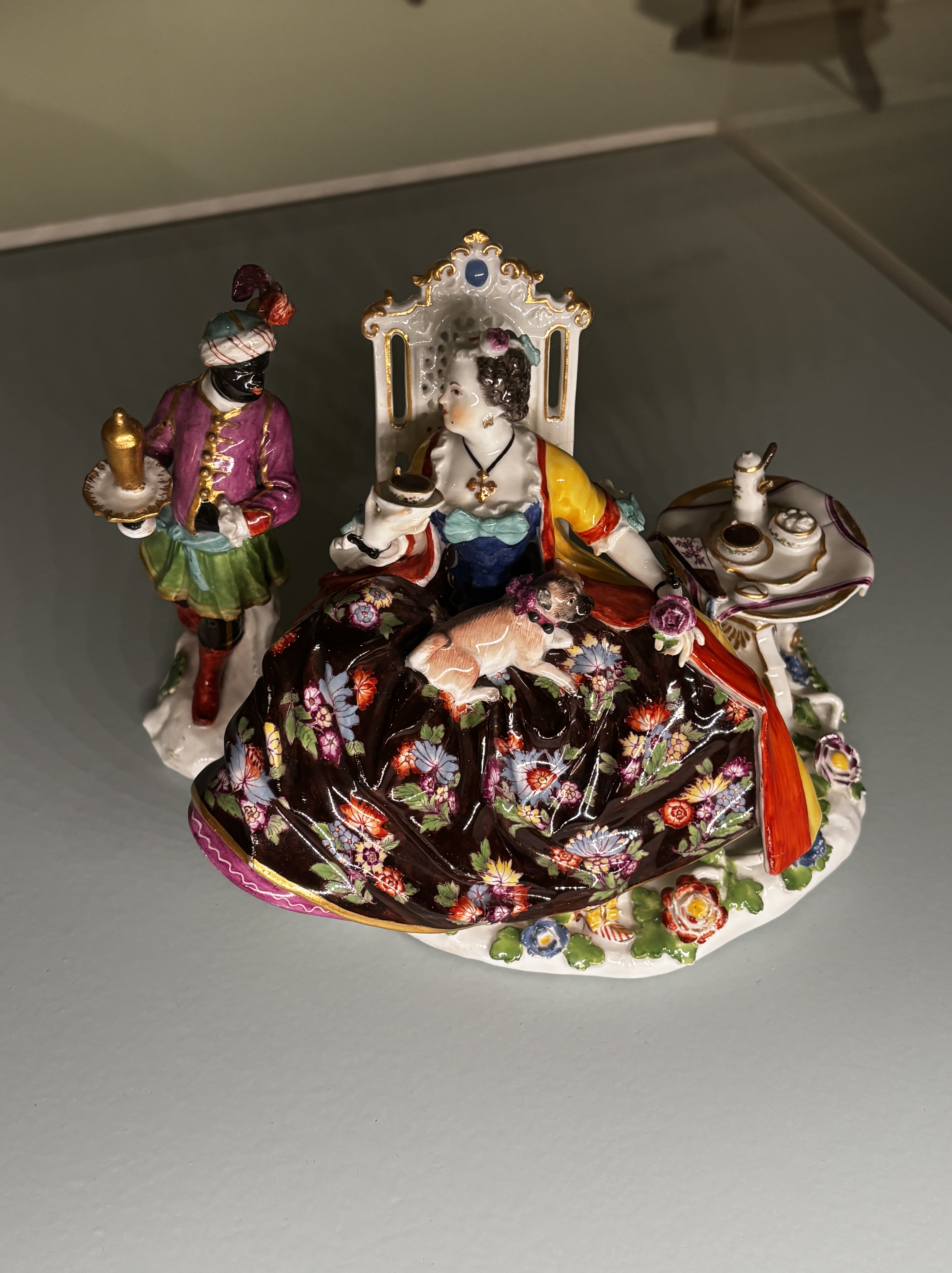
The exhibition, drawing on Casanova’s broad and generous outlook, takes you into another world, despite its modest scale. You wander among nobles in the eighteenth century, flirt, drink hot chocolate, choose fabrics at tailors’ shops, attend musical performances, and travel across Europe from one land to another. Period furniture, clothing, textiles, snuff boxes used in daily life, jewelry, and carriages transport you directly into Casanova’s era. The Geneva leg of the exhibition is particularly meaningful: tracing the footsteps of a figure like Casanova in a city identified with Calvinist discipline makes the tension between morality and pleasure all the more visible.
Rereading a “Womanizer”
“After spending two hours with her, I left, and promised that I would spend the next night with her—on the condition that the room be heated with a brazier…”
“Many delightful acquaintances I formed with distinguished women awakened in me the desire to please them through the elegance of my appearance and attire; but my confessor criticized these things. He condemned my carefully arranged curls and my delicately scented pomade… Yet my jasmine-scented pomade earned praise in every environment I entered.”
The exhibition texts note that Casanova was “always as impeccably groomed as Narcissus.” Chinese fabrics, Indian textiles fashionable in Europe at the time, and lace were among the materials that caught his attention. Fond of everything expensive, Casanova was also selective about food. Sharing fine coffee and hot chocolate—known for its aphrodisiac qualities—with his mistresses in the mornings was a ritual he enjoyed. Devoted to this drink, which he preferred freshly whipped, frothy, and without milk, Casanova always carried his own chocolate molds with him.
As in life, his taste in women was not limited to beauty alone; it ran deeper. He favored witty women, appreciated their conversation and sharp replies, and claimed that physical attraction alone was not enough to make him fall in love with a woman.
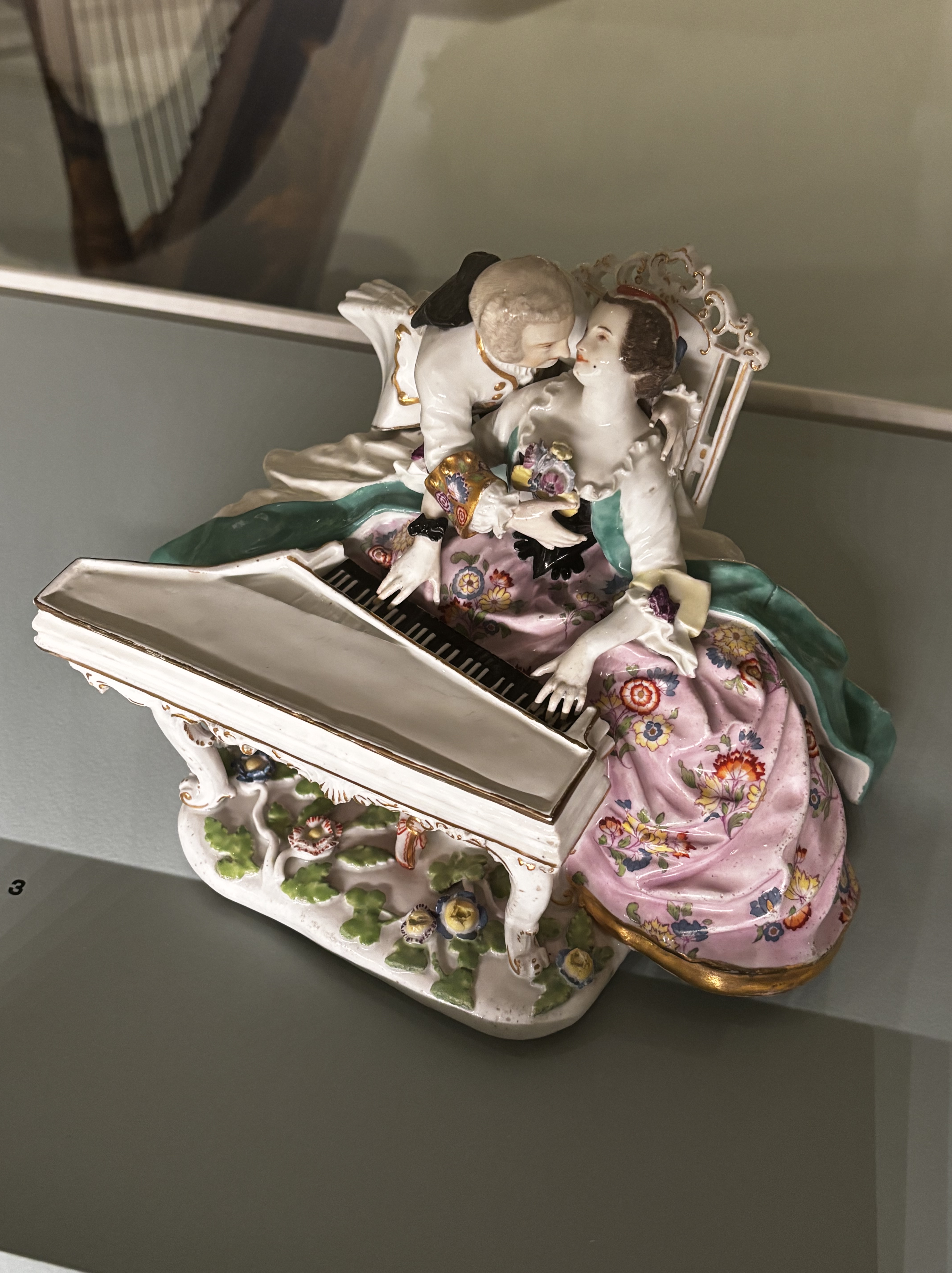
In the eighteenth century, learning music theory and playing a stringed instrument was part of the education of young women from the upper classes. Casanova particularly valued these talents in young women. For instance, he was captivated by the intelligence and cello playing of Henriette, one of his most well-known lovers, who is mentioned in the exhibition because she left him in Geneva. Believed to have been named Adélaïde de Gueidan, Henriette “made Casanova fall into heaven through love” by playing the cello.
The exhibition argues that Casanova’s relationships were based on consent and free of coercion. If we were to read Casanova’s book today, we would undoubtedly find problematic passages; nevertheless, getting to know this fascinating figure who left his mark on history is both entertaining and informative. Since I haven’t lived a life quite as brilliant, what can I do? I listen to Casanova’s advice and say: even if I haven’t done anything remarkable in life, at least I’m writing something worth reading…
The exhibition Casanova à Genève – Un libertin dans la cité de Calvin can be visited at the Musée d’art et d’histoire (MAH) until February 1, 2026.

 Irmak Özer - Kültür Sanat Yaşam
Yorum bırakın